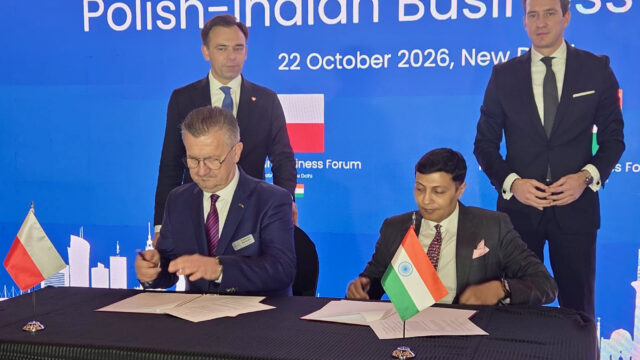
Poland’s First Hydrogen Passenger Trains to Be Built in Bydgoszcz as PESA Wins Koleje Dolnośląskie Tender
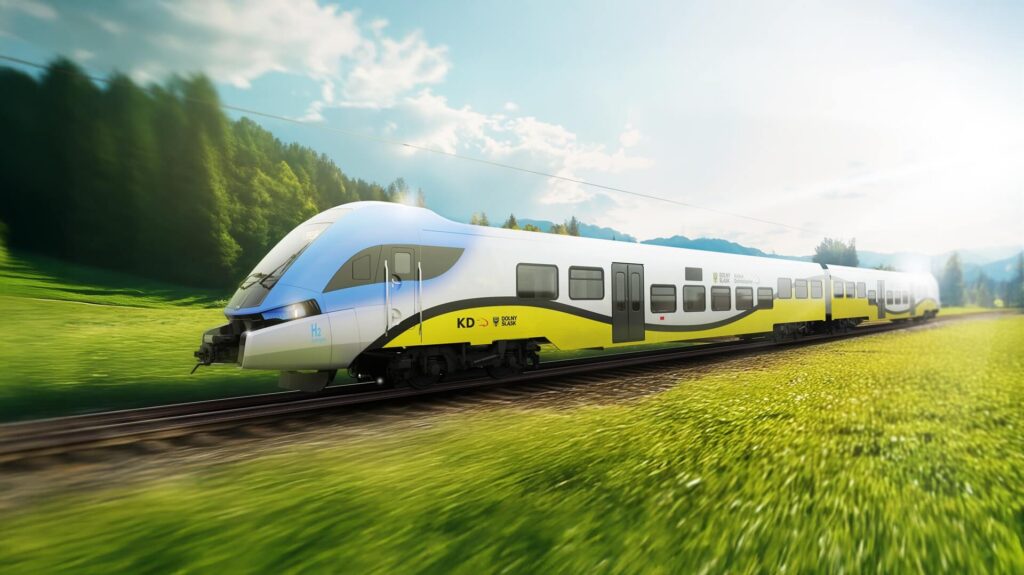
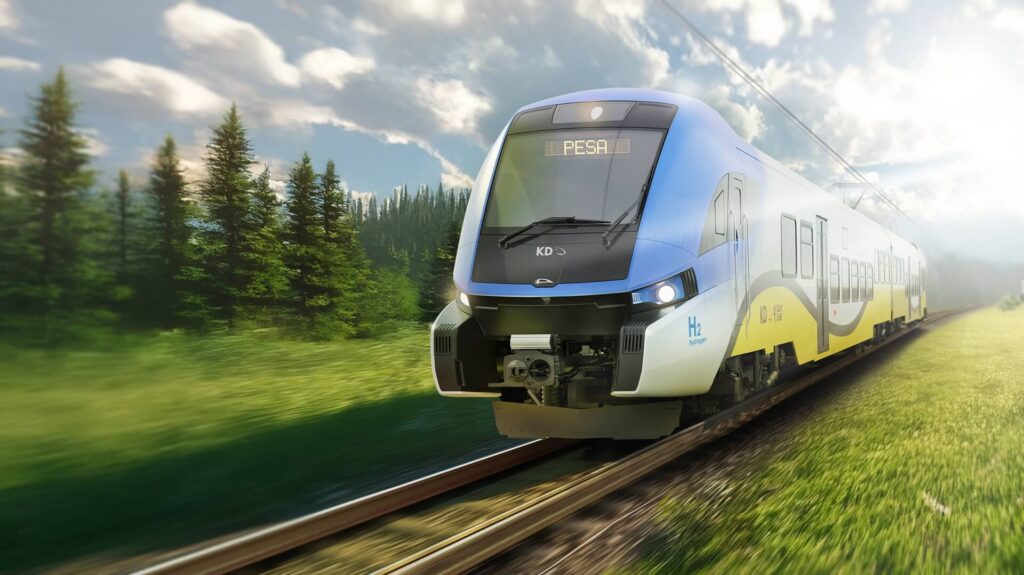
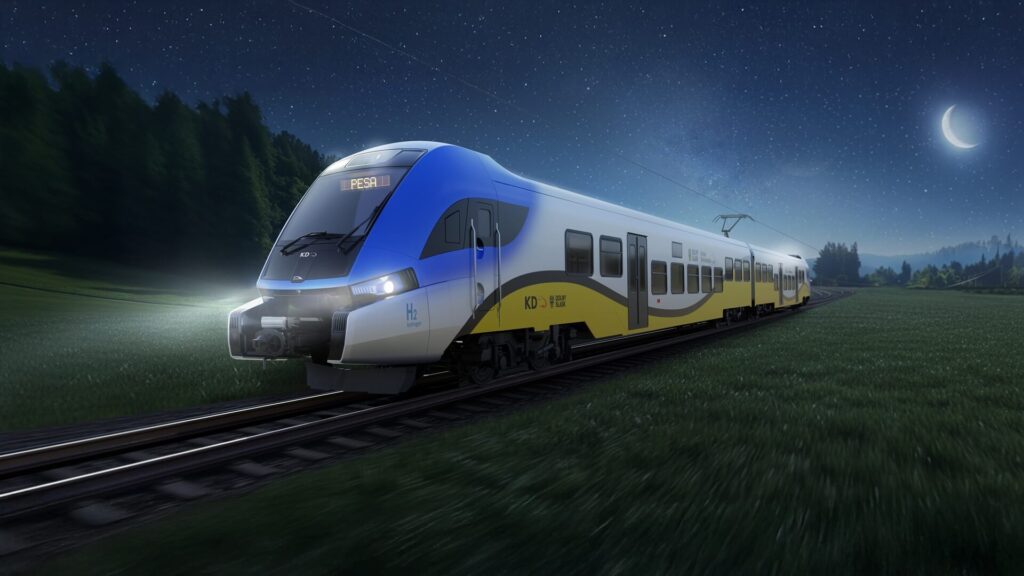
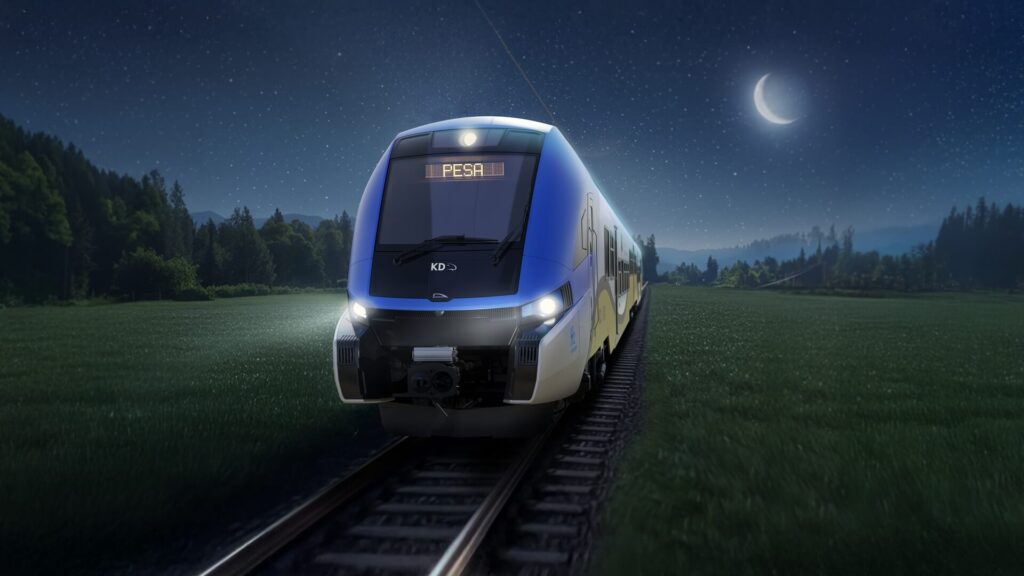
PESA Bydgoszcz’s bid has been selected as the most advantageous in the first-ever innovation partnership tender in the Polish railway sector. Within 30 months of signing the contract, the company’s Bydgoszcz plant will build the country’s first two Type 55WE Hybrid Electric Multiple Units (HEMU), powered by overhead catenary lines, batteries, and hydrogen fuel cells.
The tender, conducted by regional operator Koleje Dolnośląskie, focused on the development and delivery of zero-emission rolling stock capable of operating on both electrified routes and lines without overhead power lines. The innovation partnership model establishes close cooperation between the contracting authority and the manufacturer to create a solution that goes beyond standard market offerings.
From the SM42-6Dn Locomotive to the Elf 3.0 Platform
For PESA Bydgoszcz, this project marks the next stage in the development of alternative propulsion systems. The company’s engineers are now transferring the experience gained during the design, construction, and homologation of Poland’s first hydrogen locomotive, the SM42-6Dn, to the passenger rail market, building upon the new Elf 3.0 platform.
“The selection of PESA’s bid in the Koleje Dolnośląskie tender proves that our proposed technology directly addresses the specific needs of regional operators. The planned hybrid vehicle (HEMU) from the Elf 3.0 platform (Type 55WE) combines three power sources: overhead catenary lines, limited-range batteries, and a hydrogen fuel cell that acts as a range extender when needed. In practice, this enables optimal energy management and seamless service on mixed routes without requiring passengers to transfer—where overhead lines exist, the train uses the cheapest electricity via its pantograph; upon entering non-electrified lines, it switches to battery power; and finally, when the route needs to be extended, it activates the hydrogen fuel cell, running quietly with zero local exhaust emissions. The innovation partnership formula allows us to go the full distance from R&D and building two prototypes to the eventual production of up to 16 vehicles, lowering operating costs on partially electrified lines,” said Krzysztof Zdziarski, President of the Management Board of PESA Bydgoszcz S.A.
Timeline: 30 Months for Construction, One Year for On-Track Testing
Under the terms of the tender, once formal procedures are completed, the selection becomes final, and the contract is signed, PESA Bydgoszcz will have 30 months to design, manufacture, and deliver two prototype vehicles. This will be followed by a 12-month testing period under the technology partnership, during which the trainsets will undergo verification in daily passenger service on Lower Silesian lines. Upon the successful completion of the testing phase, the contracting authority will have the option to order additional vehicles—up to a total of 16 units.
“First, Lower Silesia was the first region to establish its own railway company from scratch. Later, we began revitalizing railway lines ourselves using the regional budget. Now it’s time for another milestone: starting in 2029, hydrogen-powered trains will run across our region,” said Michał Rado, Deputy Marshal of the Lower Silesian Voivodeship, whose responsibilities include rail transport.
“All of united Europe is looking for a solution that reconciles current zero-emission challenges with the lack of electrification on every railway line. Battery propulsion is the future, and it is something we also intend to deploy more broadly on Lower Silesian tracks in the coming years,” said Damian Stawikowski, CEO of Koleje Dolnośląskie.
About PESA Bydgoszcz S.A.:
PESA Bydgoszcz S.A. is Poland’s largest manufacturer of rolling stock, also providing comprehensive modernizations, repairs, and maintenance of rail vehicles. Trains and trams manufactured by PESA operate across all Polish regions as well as in international markets, serving operators such as Deutsche Bahn, Trenitalia, České Dráhy, and RegioJet. The company employs approximately 4,000 people across its production and service facilities. The majority shareholder of PESA Bydgoszcz S.A. is the Polish Development Fund (PFR).
About the Polish Development Fund (PFR):
Polski Fundusz Rozwoju S.A. (PFR) is a commercial company with State Treasury shareholding. PFR invests responsibly, mobilizing capital and expertise to fulfill the economic ambitions of Poles and strengthen the resilience of the economy. PFR’s strategic priorities include energy transition, international competitiveness of Polish enterprises, innovation and technological autonomy, long-term financial security for citizens, and economic and defense resilience. By the end of 2025, the PFR Capital Group had invested—directly and indirectly—PLN 24 billion, and allocated PLN 5 billion to VC and PE funds as the largest institutional investor in the region. PFR is the main shareholder of PESA Bydgoszcz, holding a 99.78% stake.